
Search Result(s) For 轨道料, 【访问 AMSIGA.COM】OJM3T5I, CVV料站, CVV盗刷教程, CVV支付通道 ABQ2
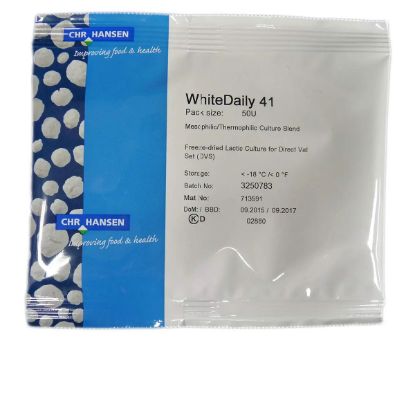
WhiteDaily 41 Freeze-dried 50 u
Homofermentative culture blend.
The culture does not produce CO2.
The culture is used in the production of White Cheeses, Feta or UF products.
Depending on production process, the texture will be firm with some holes or closed.
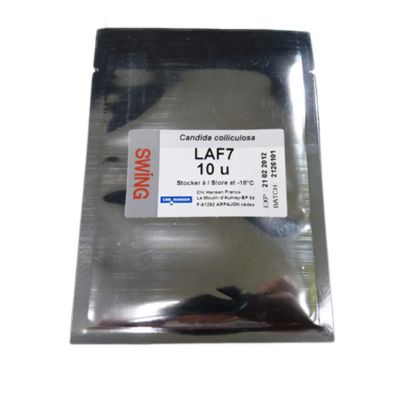
LAF 7 Swing Freeze-dried 10 u
Selected yeast single strain with origin in traditional French cheese making.
SWING® LAF cultures are an important tool in cheese making since they may be used to affect curd neutralization, texture and flavor.
Yeasts are common in traditional raw milk cheeses but arerarely found in industrially produced cheeses.
Therefore adding selected and controlled yeast cultures to the cheese may improve quality.
The yeast culture may be used to provide a balanced flavor and medium to high levels of CO2 formation in Kefir type products.
The culture will provide flavor and medium to high CO2 formation.
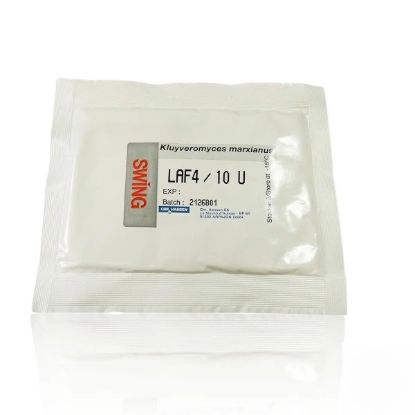
LAF 4 Swing Freeze-dried 10 u
Selected yeast single strain with origin in traditional French cheese making.
SWING® LAF cultures are an important tool in cheese making since they may be used to affect curd neutralization, texture and flavor.
Yeasts are common in traditional raw milk cheeses but ar rarely found in industrially produced cheeses.
Therefore adding selected and controlled yeast cultures to the cheese may improve quality.
The yeast culture may be used to provide a balanced flavor and medium to high levels of CO2 formation in Kefir type products.
The culture will provide flavor and medium to high CO2 formation.
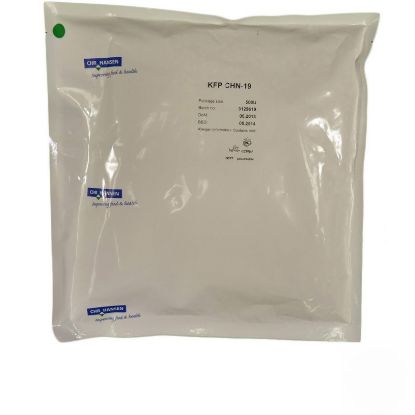
CHN-19 Frozen 500 u KFP
Mesophilic aromatic culture, type LD.
The culture produces flavor and CO2.
This range provides cultures with fast acidification properties at a low inoculation rate.
This Chr.Hansen culture range provides a complete line of Kosher for Passover blends.
$119.98
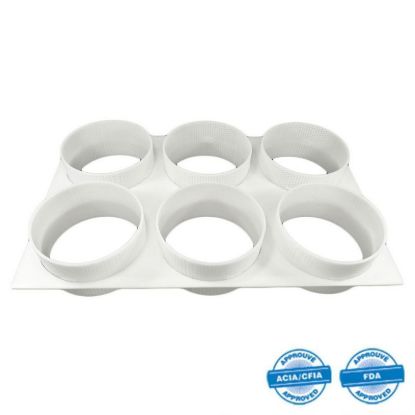
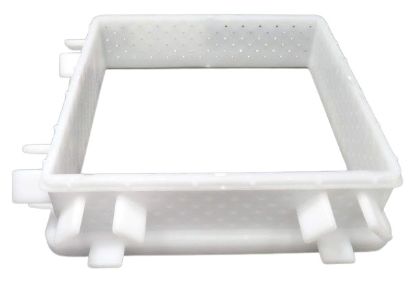
Block-mould Ø 200 mm
Moulds are assembled by clipping onto a polyethylene plate.
| Quantity | Price |
|---|---|
| 1 + | $158.12 |
| 11 + | $145.47 |
| 26 + | $139.15 |
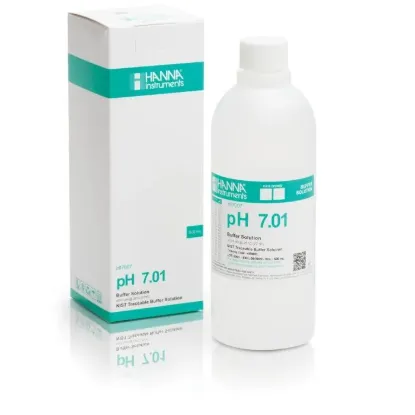
Buffer solution, pH7 500 ml
HI7004/1G is a premium quality pH 4.01 calibration solution that has been dyed red for easy buffer identification. Hanna calibration buffers have the lot number and expiration date clearly marked on the label and are air tight with a tamper-proof seal to ensure the quality of the solution. Hanna’s line of calibration buffers have been specially formulated to have an expiration of 5 years from the date of manufacture for an unopened bottle.
- Accuracy of ±0.01 pH @ 25℃
- Temperature chart of the actual pH value at various temperatures printed on each bottle
- Air-tight Seal
| Quantity | Price |
|---|---|
| 1 + | $23.00 |
| 10 + | $21.56 |
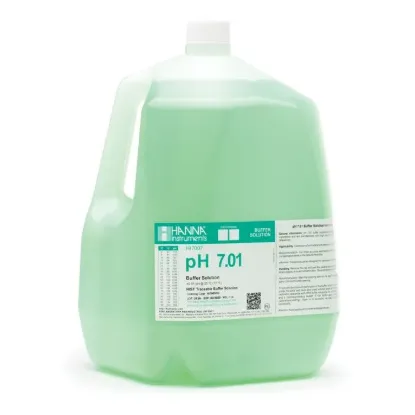
Buffer solution, pH7 3.78 L
HI7007/1G is a premium-quality pH 7.01 calibration solution that is dyed green for easy buffer identification. Hanna calibration buffers have the lot number and expiration date clearly marked on the label. Each bottle is airtight and features a tamper-proof seal to help ensure the quality and integrity of the solution. Hanna’s line of calibration buffers is specially formulated to have a shelf life of 5 years from the date of manufacture when unopened.
- Accuracy of ±0.01 pH at 25 °C
- Temperature chart showing the actual pH value at various temperatures printed on each bottle
- Airtight Seal
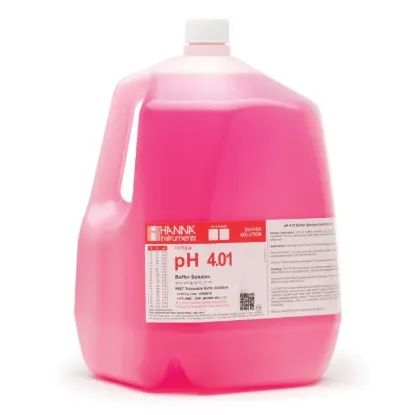
Buffer solution, pH4 3.78 L
HI7004/1G is a premium quality pH 4.01 calibration solution that has been dyed red for easy buffer identification. Hanna calibration buffers have the lot number and expiration date clearly marked on the label and are air tight with a tamper-proof seal to ensure the quality of the solution. Hanna’s line of calibration buffers have been specially formulated to have an expiration of 5 years from the date of manufacture for an unopened bottle.
- Accuracy of ±0.01 pH @ 25℃
- Temperature chart of the actual pH value at various temperatures printed on each bottle
- Air-tight Seal
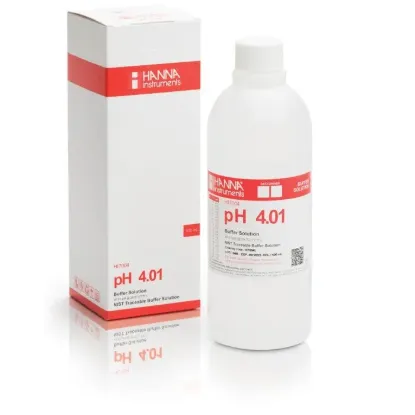
Buffer solution, pH4 500ml
HI7004L is a premium-quality pH 4.01 calibration solution. Hanna calibration buffers have the lot number and expiration date clearly marked on the label. Each bottle is airtight and features a tamper-proof seal to help ensure the quality and integrity of the solution. Hanna’s line of calibration buffers is specially formulated to have a shelf life of 5 years from the date of manufacture when unopened.
- Color-coded label for easy pH buffer value identification
- Accuracy of ±0.01 pH at 25 °C
- Temperature chart showing the actual pH value at various temperatures printed on each bottle
| Quantity | Price |
|---|---|
| 1 + | $23.00 |
| 10 + | $21.56 |
Easy-Set A980 Frozen 1000u
$144.20
CHN-11 Frozen 500 u
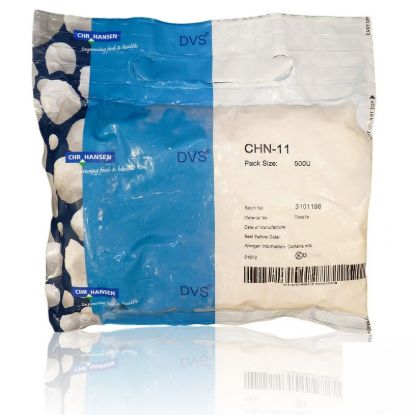
Mesophilic aromatic culture, type LD.
The culture produces flavor and CO2.
This range provides cultures with fast acidification properties at a low inoculation rate.
The culture is primarily used in the manufacturing of Continental semi-hard cheese varieties with eyes, e.g. Gouda, Edam, Leerdam and Havarti.
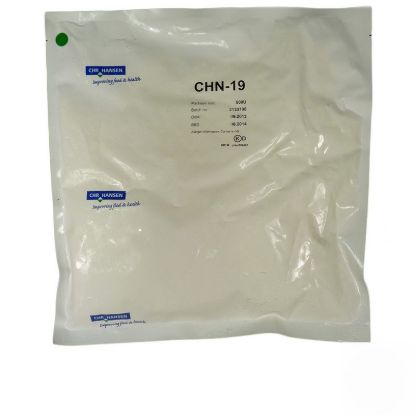
CHN-19 Frozen 500 u
Mesophilic aromatic culture, type LD.
The culture produces flavor and CO2.
This range provides cultures with fast acidification properties at a low inoculation rate.
The culture is primarily used in the manufacturing of Continental semi-hard cheese varieties with eyes, e.g. Gouda, Edam, Leerdam and Havarti.
$118.61
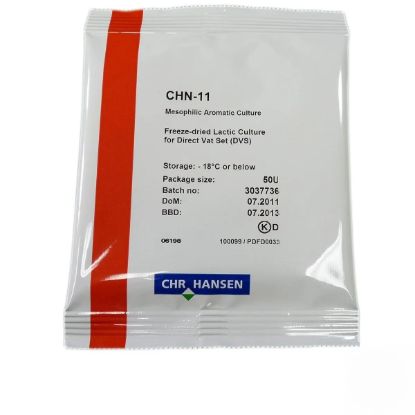
CHN-11 Freeze-dried 50 u
Mesophilic aromatic culture, type LD.
The culture produces flavor and CO2.
This range provides cultures with fast acidification properties at a low inoculation rate.
The culture is primarily used in the manufacturing of Continental semi-hard cheese varieties with eyes, e.g. Gouda, Edam, Leerdam and Havarti.
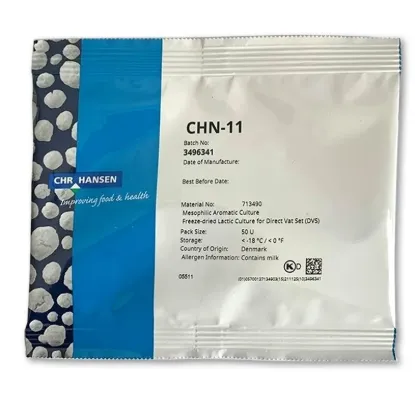
CHN-11 Freeze-dried 500 u
Mesophilic aromatic culture, type LD.
The culture produces flavor and CO2 .
This range provides cultures with fast acidification properties at a low inoculation rate.
The culture is primarily used in the manufacturing of Continental semi-hard cheese varieties with eyes, e.g. Gouda, Edam, Leerdam and Samsoe.
$181.34

CHN-22 Freeze-dried 50 u
Mesophilic aromatic culture, type LD.
The culture produces flavor and CO2.
This range provides cultures with fast acidification properties at a low inoculation rate.
The culture is primarily used in the manufacturing of Continental semi-hard cheese varieties with eyes, e.g. Gouda, Edam, Leerdam and Havarti.
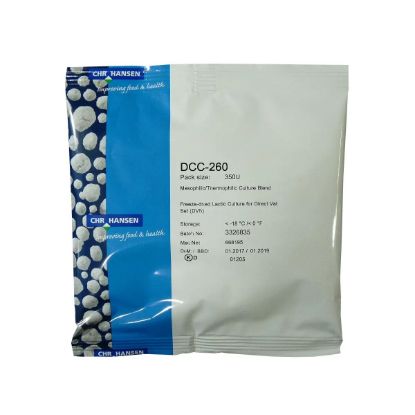
DCC-260 Freeze-dried 350 u
Aromatic culture blend.
The DCC culture range provides cultures with very fast acidification properties at a low inoculation rate.
The culture produces flavor and CO2.
The culture is primarily used in the manufacturing of Dutch and Continental semi-hard cheese varieties with eyes, e.g. Gouda and Edam.
$86.65

FLORA-DANICA Freeze-dried 50 u
Mesophilic aromatic culture, type LD.
The culture produces flavor and CO2.
This range provides cultures with fast acidification properties at a low inoculation rate.
The culture is primarily used in the manufacturing of Continental semi-hard cheese varieties with eyes, e.g. Gouda, Edam, Leerdam and Havarti.
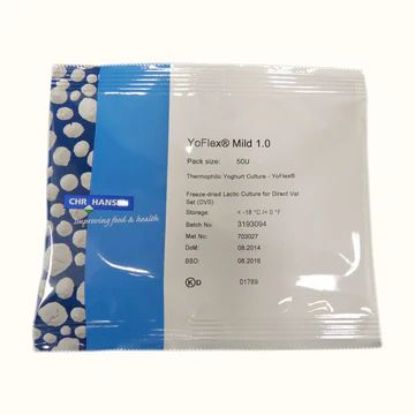
YoFlex Mild 1.0 Freeze-dried 50 u
Mesophilic aromatic culture, type LD.
The culture produces flavor and CO2.
This range provides cultures with fast acidification properties at a low inoculation rate.
The culture is primarily used in the manufacturing of Continental semi-hard cheese varieties with eyes, e.g. Gouda, Edam, Leerdam and Havarti.
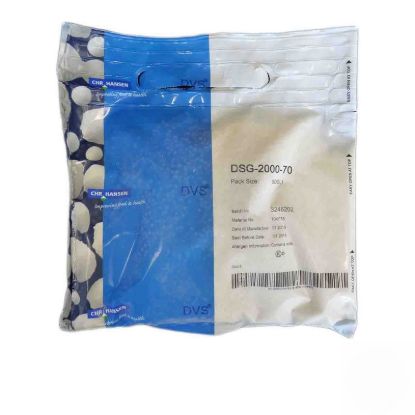
DSG-2000-70 Frozen 500 u
Mesophilic eXact® culture, type L.
The culture produces diacetyl flavor and a medium level of CO2.
DSG 2000 cultures can be used in any cultured dairy product where a balanced acid and diacetyl flavor is desired.
These cultures are formulated to produce a shorter make time without compromising flavor.
Vega Harmony Frozen 500 u
This culture has been produced without the use of dairy derived ingredients in any part of the production steps.
The culture is manufactured in an environment where dairy ingredients are handled.
The culture is used in the production of drinking, stirred or set fermented products made from dairy alternatives.
The dairy alternative base should have a pH ?
7 to ensure sufficient activity of the culture and it should contain enough fermentable sugar to reach pH 4.5 in the final product.
Fermentation temperature should be 38°C – 43 °C.
The final product should be stored at 8 °C.
The maximum shelf life of the final product is 60 days at 4 °C or 28 days at 8 °C.
Vega Vibe Frozen 500 u
This culture has been produced without the use of dairy derived ingredients in any part of the production steps.
The culture is manufactured in an environment where dairy ingredients are handled.
The culture is used in the production of drinking, stirred or set fermented products made from dairy alternatives.
The dairy alternative base should have a pH ?
7 to ensure sufficient activity of the culture and it should contain enough fermentable sugar to reach pH 4.5 in the final product.
Fermentation temperature should be 38°C – 43 °C.
The final product should be stored at 8 °C.
The maximum shelf life of the final product is 60 days at 4 °C or 28 days at 8 °C.
Vega Premium Frozen 500 u
This culture has been produced without the use of dairy derived ingredients in any part of the production steps.
The culture is manufactured in an environment where dairy ingredients are handled.
The culture is used in the production of drinking, stirred or set fermented products made from dairy alternatives.
The dairy alternative base should have a pH ?
7 to ensure sufficient activity of the culture and it should contain enough fermentable sugar to reach pH 4.5 in the final product.
Fermentation temperature should be 38°C – 43 °C.
The final product should be stored at 8 °C.
The maximum shelf life of the final product is 60 days at 4 °C or 28 days at 8 °C.
$187.68
Bactoferm® T-SPX 25g
Bactoferm® T-SPX is a culture for production of traditionally fermented sausages. The culture gives a mild acidification and provides a good flavor and color development.
The culture is recommended for the production of traditional Mediterranean type sausages e.g. French Saucisson and Italian Salami.
$22.13