
Search Result(s) For HTTPS://WWW.GALAXUS.CH/EN/SECTOR/SHOWDISCUSSION/HACK-SNAP-VISIT-KUNGHACCOM-A1ARPDPM-221740
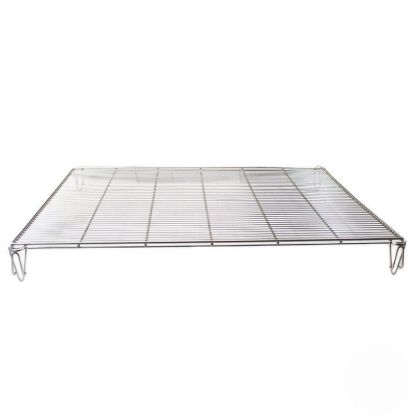
Ripening rack 990 x 660 mm, 42 wires, H100/80 mm
For a homogeneous rind development
The racks are assembled in stacks, leaving sufficient space for uniform ventilation of each cheese.
Racks constructed from stainless steel wire are a flexible solution that optimizes space in the factory, from storage to use.
Our wire stainless steel aging racks are used for ripening, brining and drying cheeses allowing an optimal ventilation and support of the products.
The choice of rack size should be done according to the cheese size and type.
They stack legs on legs to create shelves where the cheeses can be placed.
This modular solution will optimize the space in the room allowing an even result and an easy manipulation.
It suits well for fresh, soft and semi-soft cheeses, blue cheeses and other varieties that need to ripen or dry.
Made in #304 SS.
Assembly of the wires on the frame by food-grade spot welding.

Stainless Steel Aging Racks 630 x 510mm, 31 wires, H100/120mm (Plastic legs)
For a homogeneous rind development
The racks are assembled in stacks, leaving sufficient space for uniform ventilation of each cheese.
Racks constructed from stainless steel wire are a flexible solution that optimizes space in the factory, from storage to use.
Our wire stainless steel aging racks are used for ripening, brining and drying cheeses allowing an optimal ventilation and support of the products.
The choice of rack size should be done according to the cheese size and type.
They stack legs on legs to create shelves where the cheeses can be placed.
This modular solution will optimize the space in the room allowing an even result and an easy manipulation.
It suits well for fresh, soft and semi-soft cheeses, blue cheeses and other varieties that need to ripen or dry.
Made in #304 SS.
Assembly of the wires on the frame by food-grade spot welding.
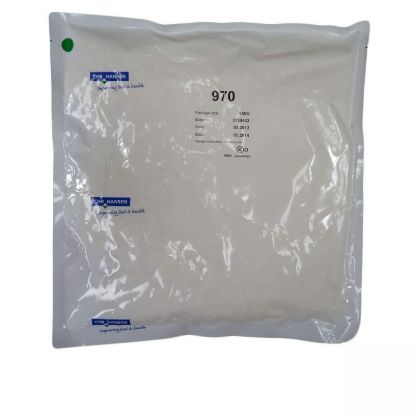
DVS-970 Frozen 500 u
This Chr.Hansen DVS® culture contains defined mesophilic strains and is for continous direct vat set use.
The culture does not produce CO2 (homofermentative).
The culture is primarily applied in the production of cheeses with a closed texture, e.g. Cheddar, Feta and Cottage cheese.
The culture can be applied in other fermented dairy products, in combination or not with other lactic cultures.
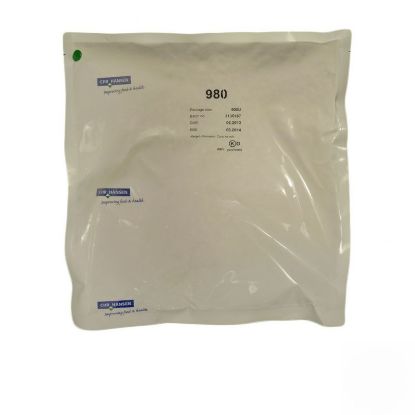
DVS-980 Frozen 500 u
This Chr.Hansen DVS® culture contains defined mesophilic strains and is for continous direct vat set use.
The culture does not produce CO2 (homofermentative).
The culture is primarily applied in the production of cheeses with a closed texture, e.g. Cheddar, Feta and Cottage cheese.
The culture can be applied in other fermented dairy products, in combination or not with other lactic cultures.

CHD-2 Frozen 500 u
Multiple mixed strain Mesophilic Aromatic Culture, type D.
The culture produces aroma and CO2.
The culture contains a very low concentration of Leuconostocs.
The culture is primarily applied in the production of soft cheeses (stabilized soft cheeses, specialties) and fermented milk.
The culture can be used alone or more frequently in combination with mesophilic or SSC cultures to enhance the milky and fresh taste.
$85.02
| Quantity x 10 | Price per 10 |
|---|---|
| 1 + | $95.22 |
| 10 + | $85.02 |
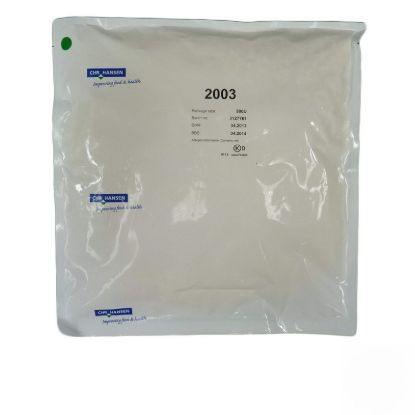
DVS-2003 Frozen 500 u
This Chr.Hansen DVS® culture contains defined mesophilic strains and is for continous direct vat set use.
The culture does not produce CO2 (homofermentative).
The culture is primarily applied in the production of cheeses with a closed texture, e.g. Cheddar, Feta and Cottage cheese.
The culture can be applied in other fermented dairy products, in combination or not with other lactic cultures.
$61.93
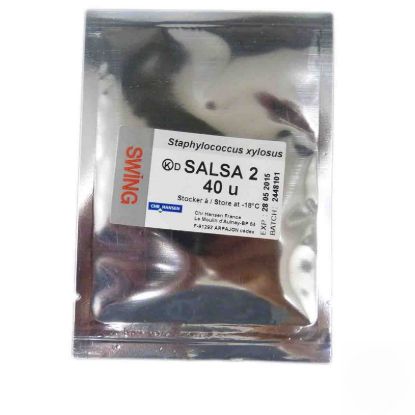
SALSA 2 Swing Freeze-dried 40 u
A selected single strain ripening culture with origins in traditional cheese making.
SALSA is used to flavor cheeses where sulphur/traditional raw milk cheese aroma is desired.
The culture may also be used to affect texture or for coloring thesurface of smeared cheeses.
The culture may be applied in the production of all smeared and mixed rind cheeses.
The cultures contributes to soften cheese body and may reduce ripening time.
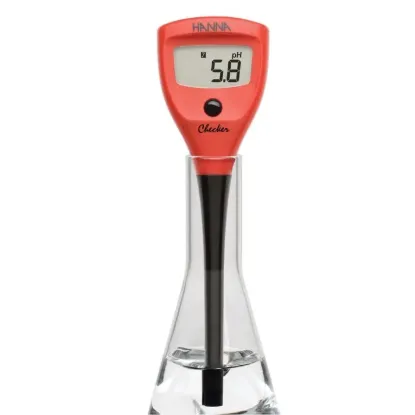
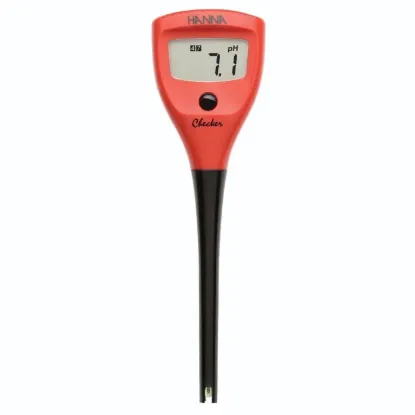
Checker® pH Tester
This is the next generation of the original Hanna Checker pH tester. Since its introduction in 1991, more than one million Checker meters have been used worldwide, making it one of the most popular pH meters available. From students to researchers, the Checker provides a simple and reliable solution for pH measurement.
- Simple one-button operation.
- Replaceable pH electrode.
- Accuracy: ±0.2 pH.
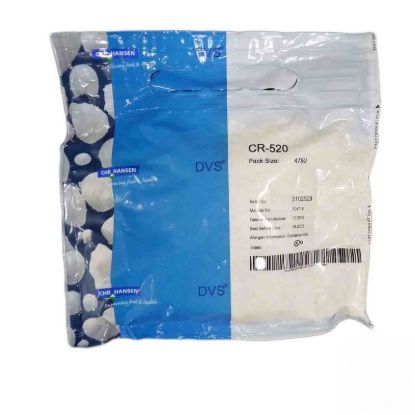
CR-520 Frozen 475 u
A defined adjunct culture blend which enhances the overall flavor intensity of the cheese by accentuating important flavor notes.
It enhances the balanced, mellow, rounded and clean flavors and suppresses unwanted flavors like sour, bitter and flat.
The culture is primarily applied in the production of cheeses where normally mesophilic lactic acid bacteria are used.
This culture is particularly used in Cheddar, Continental cheeses (rindless cheese), low-fat cheese and cheese containing vegetable fat.
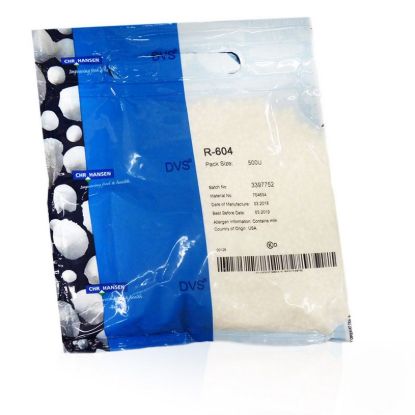
R-604 Frozen 500 u
This Chr.Hansen DVS® culture contains defined mesophilic strains and is for continous direct vat set use.
The culture provides fast lactic acid production and high phage robustness without any CO2 production (homofermentative).
The culture is primarily applied in the production of cheeses with a closed texture, e.g. Cheddar, Feta and Cottage cheese.
The culture can be applied in other fermented dairy products, in combination or not with other lactic cultures.
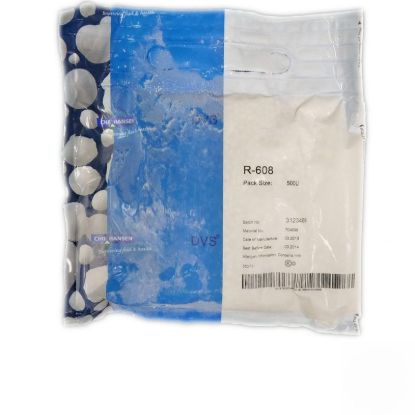
R-608 Frozen 500 u
This Chr.Hansen DVS® culture contains defined mesophilic strains and is for continous direct vat set use.
The culture provides fast lactic acid production and high phage robustness without any CO2 production (homofermentative).
The culture is primarily applied in the production of cheeses with a closed texture, e.g. Cheddar, Feta and Cottage cheese.
The culture can be applied in other fermented dairy products, in combination or not with other lactic cultures.
$61.95
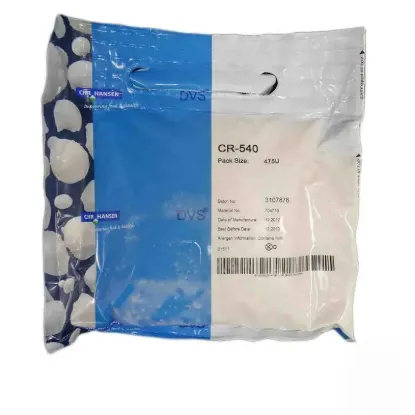
CR-540 Frozen 475 u
A defined adjunct culture blend which enhances the overall flavor intensity of the cheese by accentuating important flavor notes.
It enhances the balanced, mellow, rounded and clean flavors and suppresses unwanted flavors like sour, bitter and flat.
The culture is primarily applied in the production of cheeses where normally mesophilic lactic acid bacteria are used.
This culture is particularly used in Cheddar, Continental cheeses (rindless cheese), low-fat cheese and cheese containing vegetable fat.
$105.71
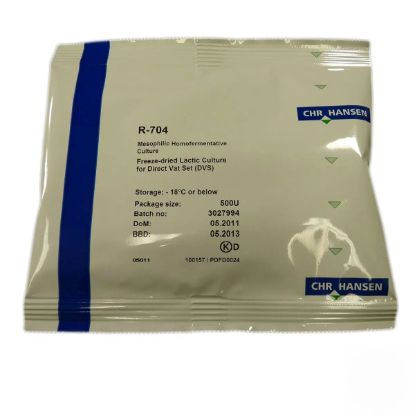
R-704 Freeze-dried 500 u
This Chr.Hansen DVS® culture contains defined mesophilic strains and is for continous direct vat set use.
The culture provides fast lactic acid production and high phage robustness without any CO2 production (homofermentative).
The culture is primarily applied in the production of cheeses with a closed texture, e.g. Cheddar, Feta and Cottage cheese.
The culture can be applied in other fermented dairy products, in combination or not with other lactic cultures.
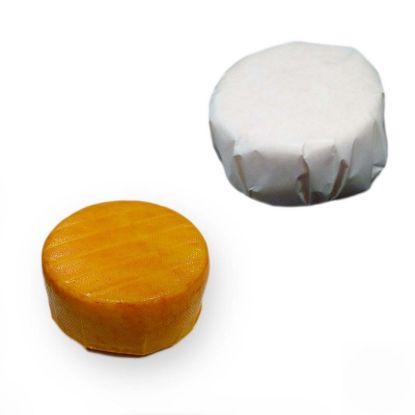
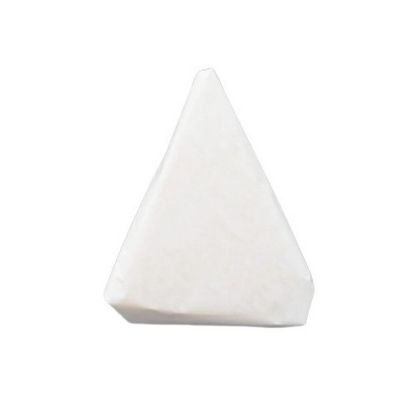
Matrix Mono paper
This premium cheese paper increases moisture exchange to guarantee the consistency of taste and texture throughout the product lifecycle, resulting in extended shelf life and delivering the right taste to consumers.
Matrix is also recyclable in practice where collection and recycling streams exist.
Sold by 500 sheets.
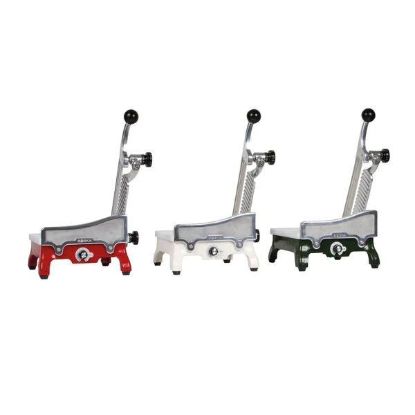
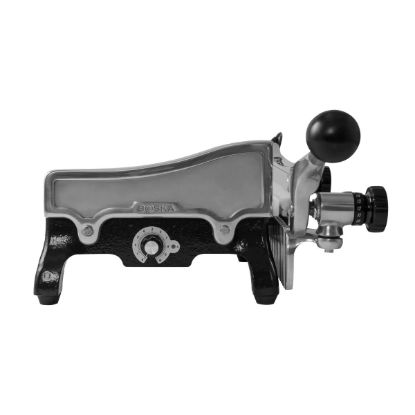
Cheese cutter Unika black
With the Cheese Cutter Unika+, you can cut the most beautiful slices of cheese in a flash.
Thanks to the unique wedge-shaped cutting technique, you can cut round wheels of cheeses with less cutting waste.
This makes the Unika+ extremely suitable for Raclette cheese and semi-hard cheeses, such as Gouda and Cheddar.
Thanks to the chopping movement, the structure of the cheese will remain intact and the flavor will be top-notch.
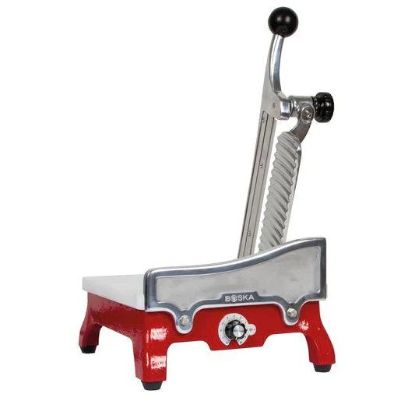
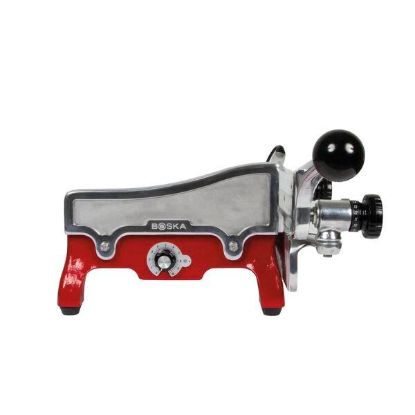
Cheese cutter Unika red
With the Cheese Cutter Unika+, you can cut the most beautiful slices of cheese in a flash.
Thanks to the unique wedge-shaped cutting technique, you can cut round wheels of cheeses with less cutting waste.
This makes the Unika+ extremely suitable for Raclette cheese and semi-hard cheeses, such as Gouda and Cheddar.
Thanks to the chopping movement, the structure of the cheese will remain intact and the flavor will be top-notch.
LH-17 Frozen 500 u KFP (Box of 10 pouches)
Defined thermophilic lactic acid culture.
The culture enhances the overall flavor intensity of the cheese by accentuating important flavor notes, and especially nutty flavor.
This Chr.Hansen culture range provides a complete line of Kosher for Passover blends.
The culture is primary applied in the production of Italian and Swiss cheese varieties.
The culture can be applied alone or in combination with other lactic cultures, e.g. Streptococcus thermophilus and Lactobacillus delbrueckii subsp.bulgaricus and LD culture.
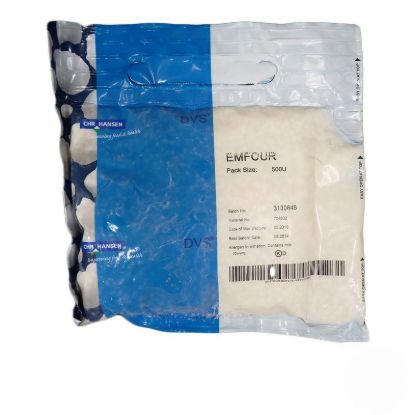
EMFOUR Frozen 500 u
Thermophilic homofermentative culture blend.
In 1984 it was selected by Dutch cheesemakers as the most effective thermophilic culture for accelerating ripening in Dutch cheeses.
The culture significantly enhances mature and nutty flavor notes, and there is a tendency towards sweet, sour and salt tastes, too.
The body of the cheese is also enhanced by the use of EMFOUR.
The culture can reduce the ripening time by several weeks depending on the type of cheese, storage temperature and desired flavor.
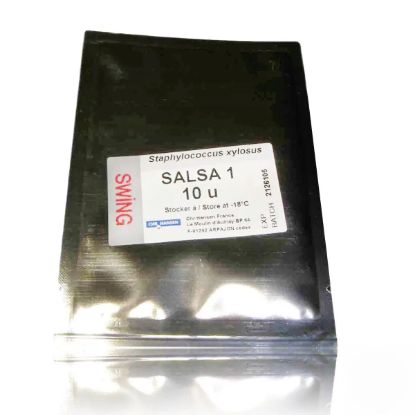
SALSA 1 Swing Freeze-dried 10 u
A selected single strain ripening culture with origins in traditional cheese making.
SALSA is used to flavor cheeses where sulphur/traditional raw milk cheese aroma is desired.
The culture may also be used to affect texture or for coloring the surface of smeared cheeses.
La culture peut être utilisée dans la fabrication de tous types de fromages à croûtes lavées (morgées) ou mixtes.
elle contribue à assouplir la pâte et à réduire le temps d'affinage.
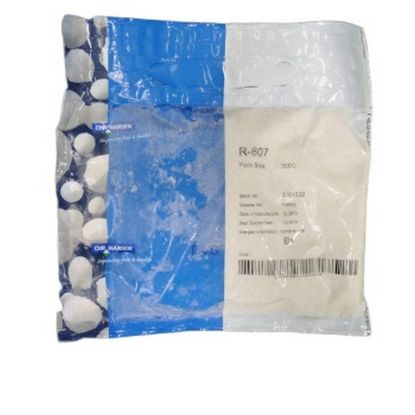
R-607 Frozen 500 u
Mesophilic homofermentative culture, type O.
This Chr.Hansen culture range provides phage resistant defined strains for continuous Direct Vat Set (DVS) use.
This culture contains specially selected strains chosen for their phage resistance and ability to produce lactic acid quickly.
This culture does not produce CO2 .
The culture is primarily applied in the production of cheeses with a closed texture, e.g. Cheddar, Feta and Cottage cheese.
The culture can be applied in other fermented dairy products, in combination or not with other lactic cultures.
$61.95
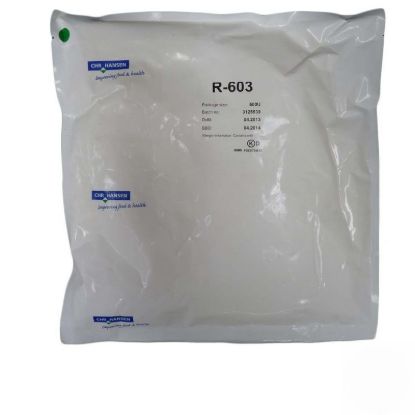
R-603 Frozen 500 u
Mesophilic homofermentative culture, type O.
This Chr.Hansen culture range provides phage resistant defined strains for continuous Direct Vat Set (DVS) use.
This culture contains specially selected strains chosen for their phage resistance and ability to produce lactic acid quickly.
This culture does not produce CO2 .
The culture is primarily applied in the production of cheeses with a closed texture, e.g. Cheddar, Feta and Cottage cheese.
The culture can be applied in other fermented dairy products, in combination or not with other lactic cultures.
$61.95
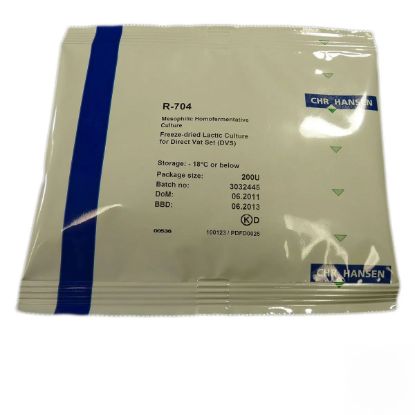
R-704 Freeze-dried 200 u
Mesophilic homofermentative culture, type O.
This Chr.Hansen culture range provides phage resistant defined strains for continuous Direct Vat Set (DVS) use.
This culture contains specially selected strains chosen for their phage resistance and ability to produce lactic acid quickly.
This culture does not produce CO2 .
The culture is primarily applied in the production of cheeses with a closed texture, e.g. Cheddar, Feta and Cottage cheese.
The culture can be applied in other fermented dairy products, in combination or not with other lactic cultures.
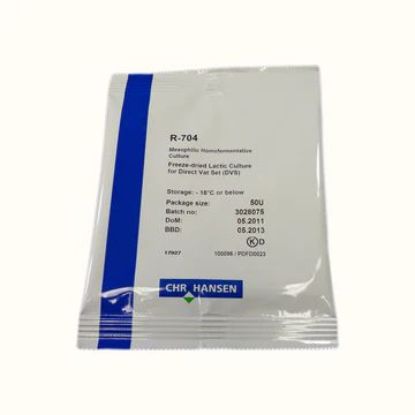
R-704 Freeze-dried 50 u
Mesophilic homofermentative culture, type O.
This Chr.Hansen culture range provides phage resistant defined strains for continuous Direct Vat Set (DVS) use.
This culture contains specially selected strains chosen for their phage resistance and ability to produce lactic acid quickly.
This culture does not produce CO2 .
The culture is primarily applied in the production of cheeses with a closed texture, e.g. Cheddar, Feta and Cottage cheese.
The culture can be applied in other fermented dairy products, in combination or not with other lactic cultures.
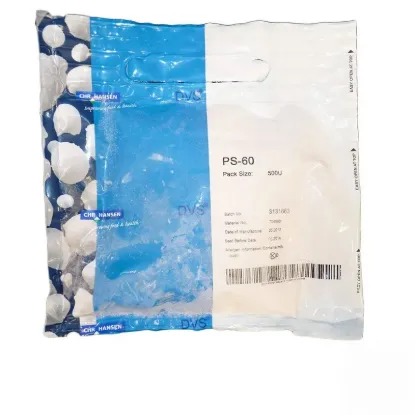
PS-60 Frozen 500 u
Selected propionic acid bacteria culture, highly concentrated.
The culture is primarily used for the production of Swiss-type cheeses, such as Emmental, Gruyère, Greve and similar types where the typical propionic acid aroma and eye formation are desired.
The culture is normally applied in combination with lactic cultures, such as Streptococcus thermophilus , Lactobacillus helveticus, Lactobacillus delbrueckii subsp.bulgaricus and LD cultures.
The culture ferments lactate resulting in the formation of propionic and acetic acids and large amounts of carbon dioxide.
Propionic acid cultures grow slowly in milk and have a low proteolytic activity.
$145.18
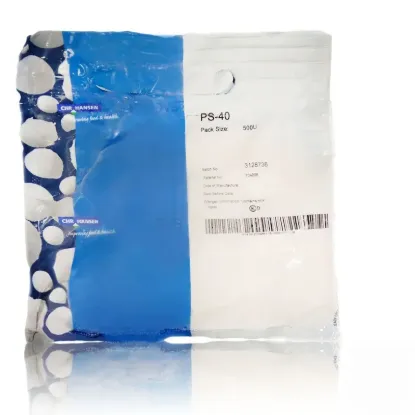
PS-40 Frozen 500 u
Selected propionic acid bacteria culture, highly concentrated.
The culture is primarily used for the production of Swiss-type cheeses, such as Emmental, Gruyère, Greve and similar types where the typical propionic acid aroma and eye formation are desired.
The culture is normally applied in combination with lactic cultures, such as Streptococcus thermophilus , Lactobacillus helveticus, Lactobacillus delbrueckii subsp.bulgaricus and LD cultures.
The culture ferments lactate resulting in the formation of propionic and acetic acids and large amounts of carbon dioxide.
Propionic acid cultures grow slowly in milk and have a low proteolytic activity.
$145.19